

%20(2).avif)

.jpg)
.avif)


For most career changers, yes: a good bootcamp costs a fraction of a degree, takes months instead of years, and gets you to a job-ready portfolio faster than self-study. The catch is that "good" is doing a lot of work in that sentence, so this guide covers what a data science bootcamp actually is, what it costs, how it compares to longer courses, and how to pick one with real job placement support.
The demand side of the equation is strong. The U.S. Bureau of Labor Statistics projects 34% growth for data scientist jobs from 2024 to 2034, with about 23,400 openings a year, and a median wage of $112,590 as of May 2024. Whether a bootcamp is worth it for you comes down to the time you can commit, the support you get, and what you do with both.
What is a data science bootcamp?
A data science bootcamp equips students, typically beginners, with the knowledge and hard skills required to become a data scientist. It might require a full-time commitment, where you attend a classroom in person or online during a typical workday. Or, more commonly, it's structured as part-time or with a flexible learning schedule, so you complete coursework after work hours, on weekends, or whenever you're available.
Structure decides the timeline: a full-time bootcamp might take six to 10 weeks, while a part-time program can run from six months to a year. TripleTen's AI & Machine Learning program (which replaced its Data Science program as the field evolved) runs nine months part-time, built for people who keep working while they study.
Data science bootcamps typically cover several or all of the following topics and relevant skills:
- Programming languages: Python, R, and SQL are the most common languages taught in the field
- Statistics and probability: the science of collecting and analyzing data underpins everything you do in data science
- Data visualization and analysis: how to decipher data, pull trends from it, and create visualizations for understanding it
- AI, machine learning, and predictive analytics: how to build and evaluate models, work with LLMs, and predict outcomes from past data. In 2026, this is the core of the job
- Data storage and security: storing and securing data properly matters as much as analyzing it
- Soft skills: communication, time management, project management, problem solving, and ethical judgment
The most reputable programs cost money, and many offer payment plans, scholarships, and financing. Hiring managers rarely ask for the certificate itself; they ask for a portfolio of work or a skills assessment that shows what you learned.
Are data science bootcamps worth the time and money?
Run the numbers on both sides.
The time: a part-time bootcamp asks for roughly 15–20 hours a week for six to twelve months, and you keep your income the whole way. A master's degree asks for two years and often a pause in earnings.
The money: quality data science bootcamps generally cost $9,000–$20,000, against $38,000 or more for a master's degree. On the return side, TripleTen's AI & Machine Learning grads report a median starting salary of $85,000 and a median salary increase of $22,500 over their previous roles, according to the Student Achievement Highlights. Across all TripleTen programs, 88% of employed grads were still in their roles a year later.
So is a data science bootcamp worth it? It pays off when you treat it as a career project and put in the work. The program supplies structure, feedback, projects, and coaching; the studying, portfolio, and applications are yours to do.
What are the benefits of joining a data science bootcamp?
Data science bootcamps aren’t for everyone, but they can be a valuable route for people who:
- Want to change careers into data science, either from a completely different industry or within the tech sector
- Want to just develop a basic knowledge of data science fast
- Want to move up or around in their field by specializing
- Don’t have the time or money to go back to school full-time
Below, we touch on the specific pros and cons of bootcamps.
The pros of data science bootcamps
Becoming a data scientist requires a specialized skill set. You can't wing the job without background knowledge. The biggest pro of bootcamps is that they're less expensive and less time-consuming than a graduate degree while still providing that education.
Other benefits include:
- Flexible and part-time schedules that work around your professional and personal life
- Access to people working in data science, including instructors, tutors, and career coaches
- Practical, immersive experience coding, building models, and working with real data
- A portfolio of work and a certificate to show employers
- Career support, such as resume and cover letter review, interview practice, personalized career coaching, and networking opportunities
The cons of data science bootcamps
Every bootcamp is worth vetting before you sign up: read student testimonials and review platforms, and be wary of programs where costs don't line up with the curriculum or published outcomes, or where format, teachers, and post-graduation support are vague.
Beyond that, some cons might be:
- Time commitment, especially if you're a working parent, small business owner, or generally work long hours
- Upfront financial investment, particularly if there are no alternative payment options
- Less face time in fully remote programs
- Lack of standardization: each bootcamp structures its own curriculum, which may not match every employer's expectations
TripleTen Data Science bootcamp success stories
Before signing up for a data science bootcamp, it helps to have perspective from people from all walks of life who’ve attended them — and came out the other side better for it. Here are two of the many inspiring bootcamp success stories out there:
Rachelle Perez went from tourism saleswoman to data scientist at Spotify
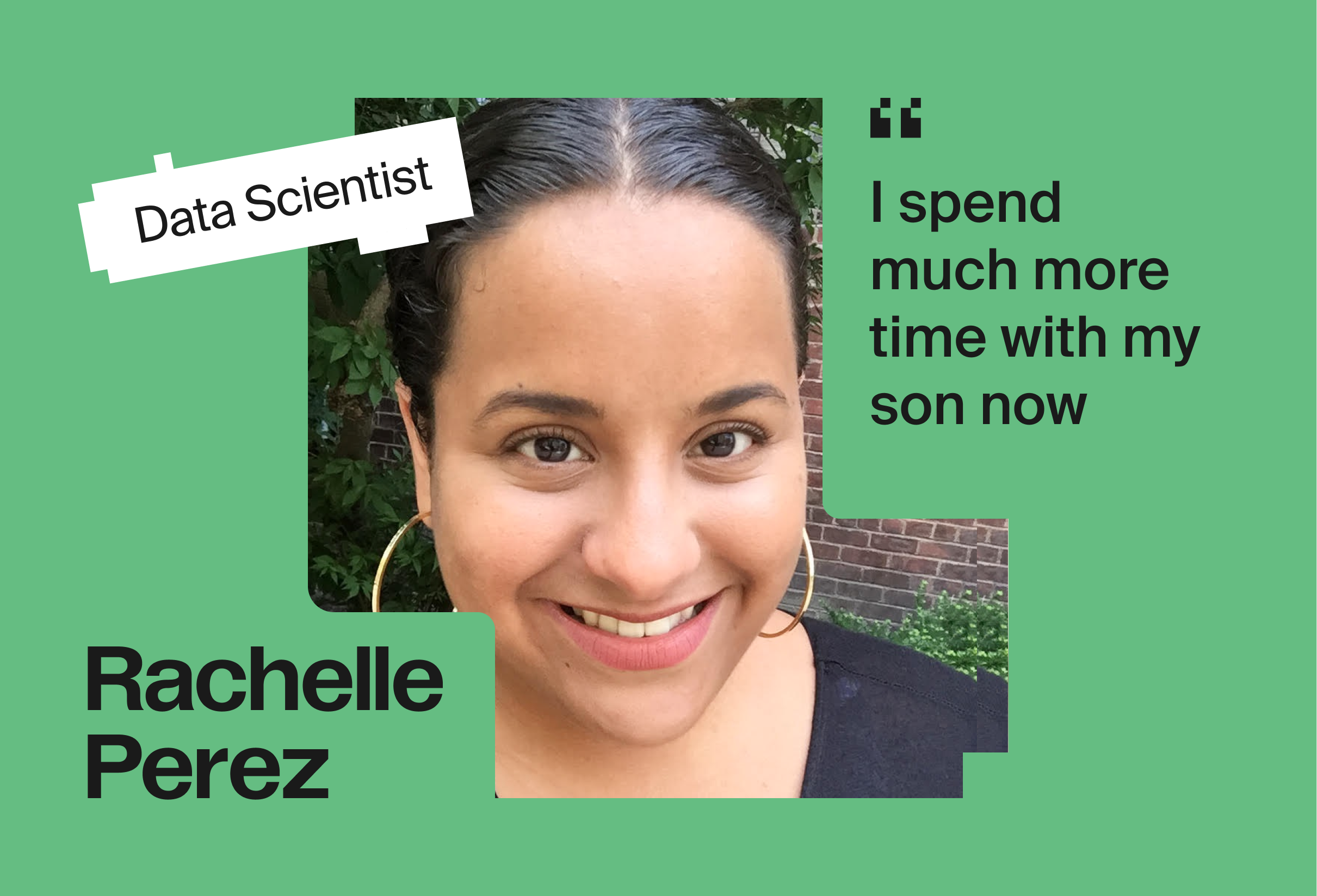
Rachelle Perez worked in a completely different industry before coming across TripleTen’s Data Science Bootcamp: For 10 years, she sold sightseeing tours along the New York City harbor.
But even then, data was always in the back of her mind.
I was most excited about the operation side of the business: how to make bookings more efficient and how to reduce customer friction. I was interested in data, and I would unknowingly incorporate it. Rachelle Perez, TripleTen grad
After being laid off, she decided to take the leap. The program was rigorous — even having completed another bootcamp before TripleTen’s, she said there was a learning curve. But it prepared her well for the technical portion of her interview with Spotify, and by July 2021, she was working a full-time, stable job as an associate data analyst.
Read more about Rachelle’s experience here.
Gor Mikayelyan moved to the job he wanted at Amazon
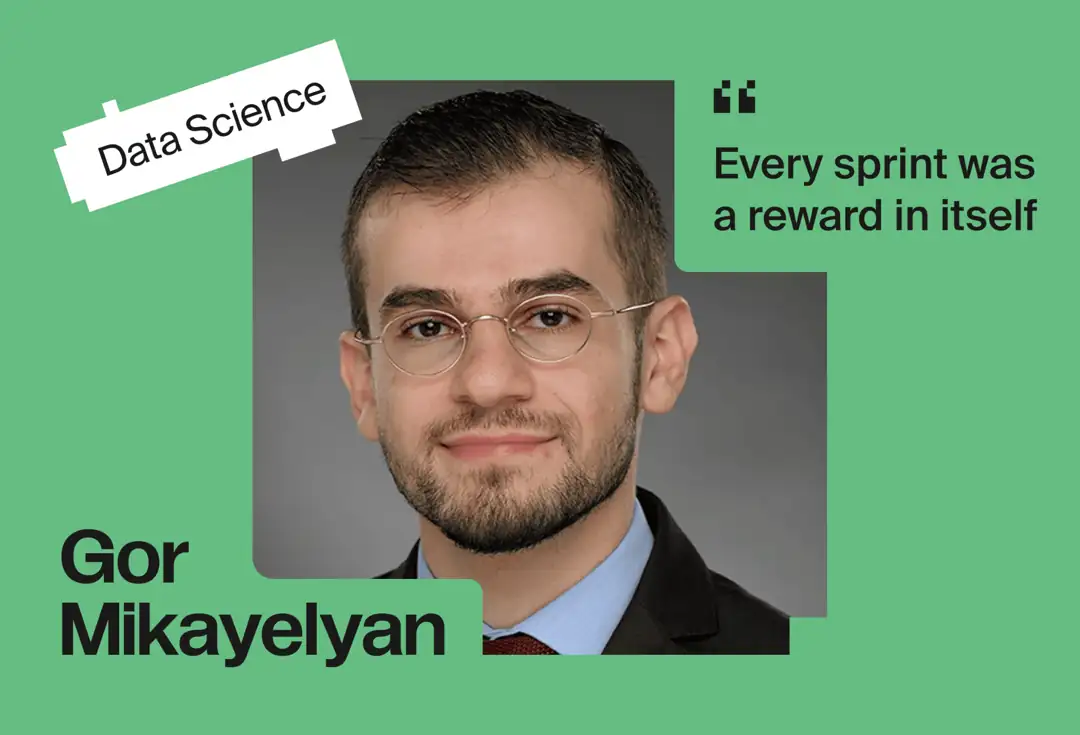
Working for Amazon was a dream for Gor Mikayelyan. However, the job of logistics analyst — his first role at the company — wasn’t.
So he started teaching himself Python in the hopes of tackling more complex data problems.
After learning Python for a few months, I realized I wasn’t going fast enough and I wasn’t learning as much as I wanted. That’s when I decided to join a bootcamp. Gor Mikayelyan, TripleTen grad
Motivated by the structure and sprint schedule while balancing a full-time job, Mikayelyan was able to graduate in no time with a portfolio of work under his belt. Shortly after, he pivoted to a job in data without having to leave his company. “I'm actually applying the skills that I’ve learned and actually enjoy doing what I do,” he added.
Read more about Gor’s experience here.
Common questions about data science bootcamps, answered
How much will I earn after a data science bootcamp?
Your salary depends on the level you came in at and the job you land. The Bureau of Labor Statistics puts the median for data scientists at $112,590 a year (May 2024). Entry-level reality is lower: TripleTen's AI & Machine Learning grads report a median starting salary of $85,000, with room to grow from there.
How much do data science bootcamps cost?
TripleTen's AI & Machine Learning program starts at $9,800 upfront for the nine-month, part-time program, with installment and financing options available (financing can increase the total cost).
What's better: a data science bootcamp or a long-term course?
It depends on what you're optimizing for.
A long-term option, such as a master's degree or a multi-year online specialization, suits you if you want academic depth, research exposure, or roles that formally require a graduate degree. You'll pay more, and in a fast-moving field, some of what you learn in year one may already be dated at graduation.
A bootcamp suits you if your goal is a job. The curriculum is compressed around what employers currently hire for, updated far more often than a university syllabus, and paired with career support. TripleTen, for example, reviews its curriculum regularly so students train on the tools and workflows in current job postings, AI included.
A short self-paced course suits you if you only want to explore the field. It's the cheapest path, but it rarely produces the portfolio and interview readiness a career change requires.
Data science bootcamp with job placement: what to look for
No bootcamp can promise you a job, and you should be skeptical of any that does. What a data science bootcamp with job placement support can do is raise your odds. Look for:
- Career coaching built into the program: resume, LinkedIn, and portfolio reviews, plus interview practice with feedback
- Employer connections: TripleTen's network includes 250+ partner companies, and students can take on real partner projects through externships and other Industry Experience formats
- Published outcomes: most providers stopped publishing employment numbers around 2023–2024; TripleTen still publishes its Student Achievement Highlights every year, methodology included
- A financial backstop: TripleTen's money-back guarantee means eligible graduates get their tuition back if they're not hired within 10 months. Conditions apply, so read the terms
Not sure which tech role fits you? Find out in a few minutes. Take the career quiz
So is a data science or data analytics bootcamp worth it?
If you've read this far and thought "this is what I've been looking for," a data science bootcamp is probably worth it for you: the time-and-money math favors bootcamps over degrees for career changers, provided you pick a program with real projects, real feedback, and real job placement support.
TripleTen's AI & Machine Learning program is one strong option: nine months part-time, beginner-friendly, with portfolio projects, career coaching, and outcomes published every year. It's ranked among the best data science and machine learning bootcamps by Course Report and Career Karma.


.avif)
.avif)

